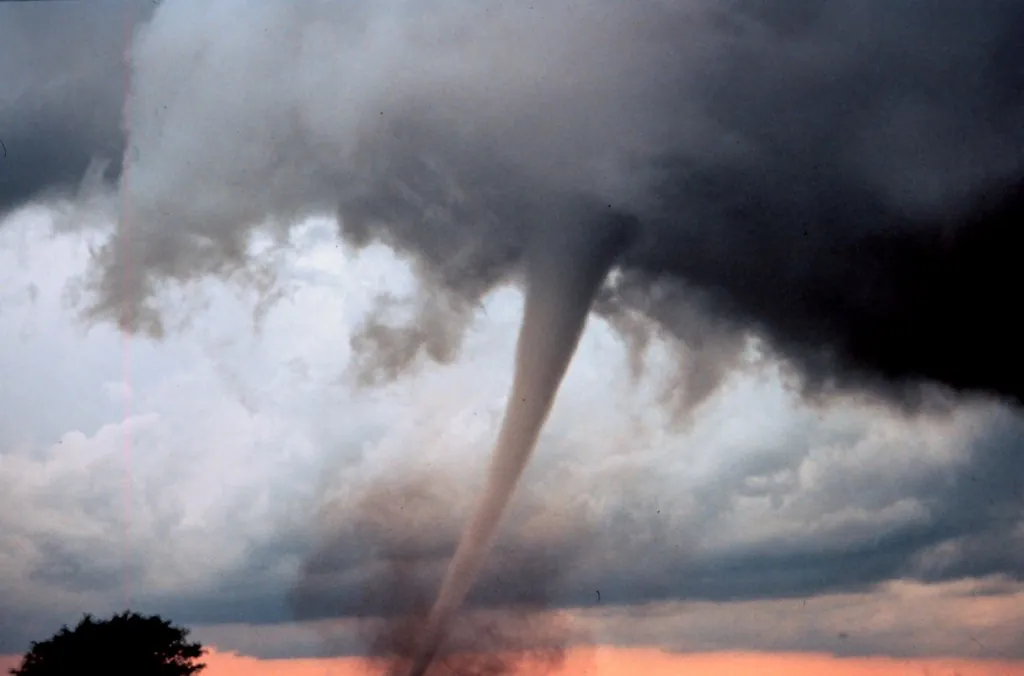
A state that knows wind
Kansas has recorded some of the most destructive tornadoes in the country: the 1966 Topeka tornado that crossed Burnett’s Mound and Washburn University, the 1991 Andover tornado, the 2007 EF5 that destroyed most of Greensburg, and the 2008 EF4 that tore through Manhattan. Straight-line winds and derechos cause even more claims, quietly, across the whole state.
Partial wind losses
Most wind claims involve lifted or missing shingles, torn ridge cap, peeled metal trim, damaged siding and fallen fences. Disputes center on whether creased shingles can be repaired, whether a matching shingle is available and whether a repair will hold given the condition of the roof.
Severe and total losses
- Racked framing, shifted walls and cracked foundations that aren’t obvious on a quick walk-through.
- Debris removal, demolition and haul-off costs that grow when a whole neighborhood is rebuilding.
- Ordinance-or-law costs when a rebuild must meet current code.
- Demand surge: labor and material prices that rise after a major event.
After a large tornado, the first estimate is often written before contractors are available and prices are known. Appraisal lets the amount of loss be set with real-world numbers.
Wind versus other causes
When a carrier says damage came from wear, settlement or poor installation, that is often a coverage argument. Where the parties agree the wind caused damage but not how much, appraisal is the right tool.
Frequently asked questions
Is a tornado claim different from a hail claim?
Both are typically covered windstorm or hail perils, but tornado losses more often involve structural damage, debris removal and code upgrades.
What if my policy has a wind/hail deductible?
Many Kansas policies use a percentage deductible for wind and hail. Our percentage deductible calculator shows what that means in dollars.
Can appraisal include debris removal?
Yes, if debris removal is part of the covered amount of loss. Policy limits for debris removal still apply.